National Leader in Hardfacing
The cost of replacing components which become worn or damaged during service has led to the development of a wide range of techniques known as hardfacing.
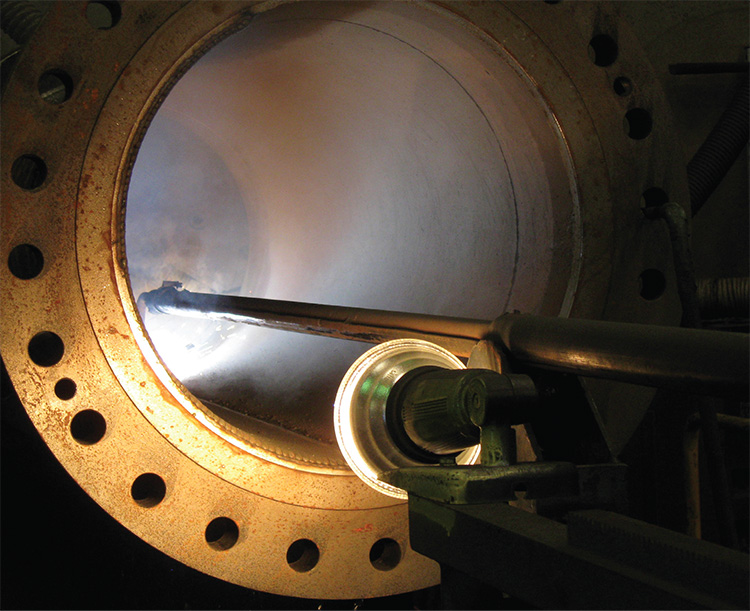
At Better Wear Welding, our hardfacing service involves a process where metal surfaces are coated with a welded overlay to minimise or reduce wear.
It’s a simple but effective preventive maintenance measure that can result in significant reduction in down time and costs, and improve asset life.
The hardfacing material used and method of application will vary with the equipment. The team at Better Wear Welding have deep experience in determining the most appropriate wire and process required to protect components from corrosion, abrasion or impact. We also work with wire developers to find an appropriate product for the client application.
Capabilities
- Advanced hardfacing specialised technology
- In house designed and custom built hardfacing machines for straight lengths and radius elbows
- Refurbishing pipe spools
- Hardface of external pipes
- Machine flange face
- Fabricate and supply of new spools when old spools can no longer be refurbished.
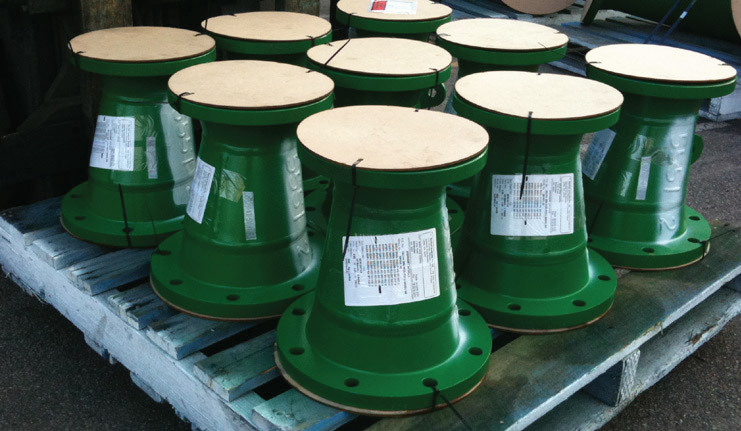
Our capabilities span works from 80 to 1200 diameter and in any configuration including straight spool, tees, elbows, concentric or eccentric reducers and valve bodies.